Presentations from the 2013 annual conference are posted.
The 2013 annual conference was held February 26 - 28,...
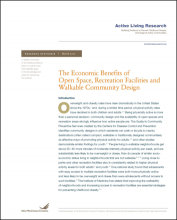
The Challenge: There is evidence that walkable neighborhoods and parks and open spaces can improve physical activity levels. The economic impact of these attributes can play an important role in policy makers’ decisions about zoning, restrictions on land-uses, government purchase of lands for parks and similar initiatives.
Make an impact: In addition to providing opportunities for physical activity, recreation areas and parks located in metropolitan areas provide economic benefits to residents, municipal governments and private real estate developers.
What the findings are about: This research synthesis reviews research on the different ways that walkability, parks, and open spaces can bring economic benefits to a community.
FACT SHEET:
An abbreviated fact sheet is available that highlights the research synthesis' main findings.
Presentations from the 2013 annual conference are posted.
The 2013 annual conference was held February 26 - 28,...
AAHPERD infographic on which states are creating a culture of physical activity in...
ALR remembers Dr. Toni Yancey

Active Living Research translates and disseminates evidence to advocates, policy-makers and practitioners aimed at preventing childhood obesity and promoting active communities.


Active Living Research is a national program of the Robert Wood Johnson Foundation (RWJF) managing a $15.4-million authorization over five years.

MOVE!A BLOG ABOUT ACTIVE LIVING
Fantastic infographic tells a visual story on the role of transportation in the health of our communities.
...